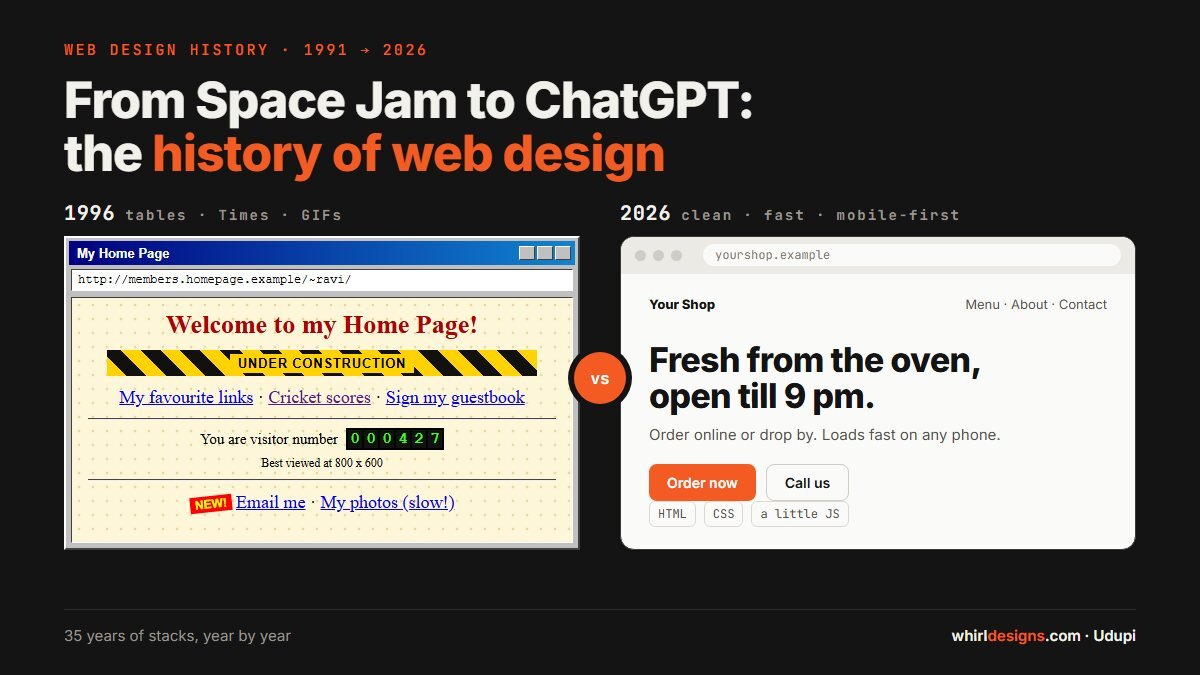
In 1996, Warner Bros. made a website for the film Space Jam. Thirty years later, you can still open it at spacejam.com/1996. Its planet-style links still circle the film's logo, just as they did when people dialled in on a modem.
Everything else has been rebuilt many times since. Flash came and went, phones took over, and now AI writes code from a sentence. This is the history of web design, year by year from 1991 to 2026: what sites were really built with, and what India and the world were watching and singing at the time.
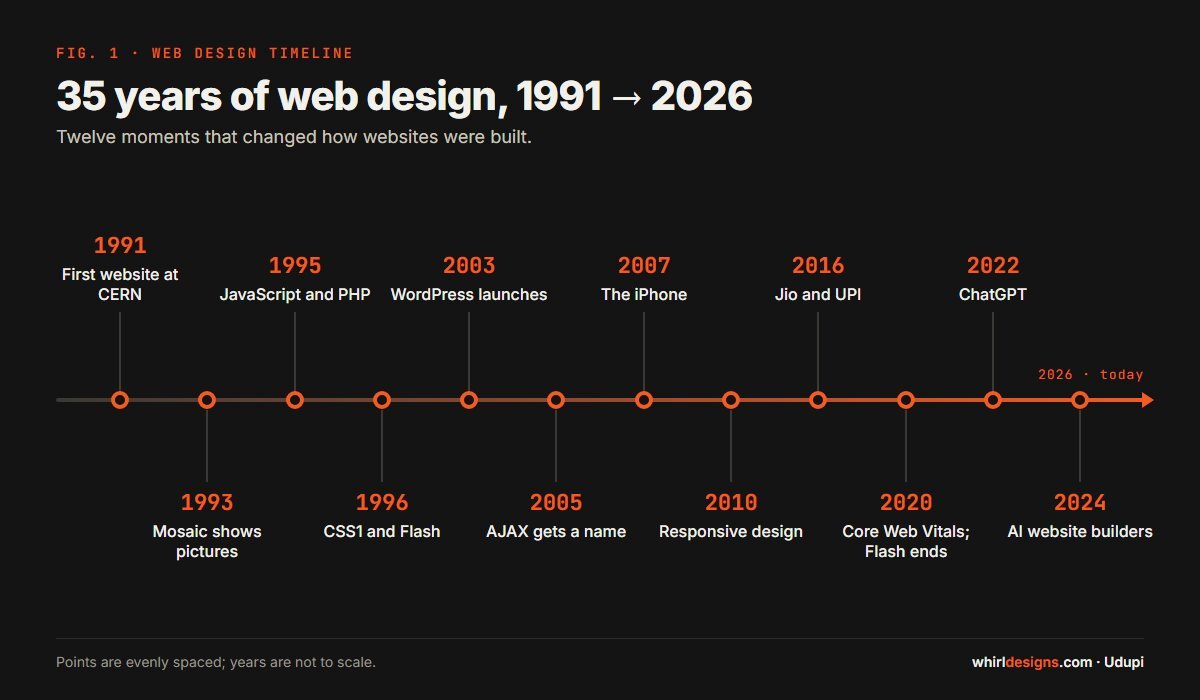
1991–1995: Text, tables and the first browsers
1991: The first website goes live at CERN
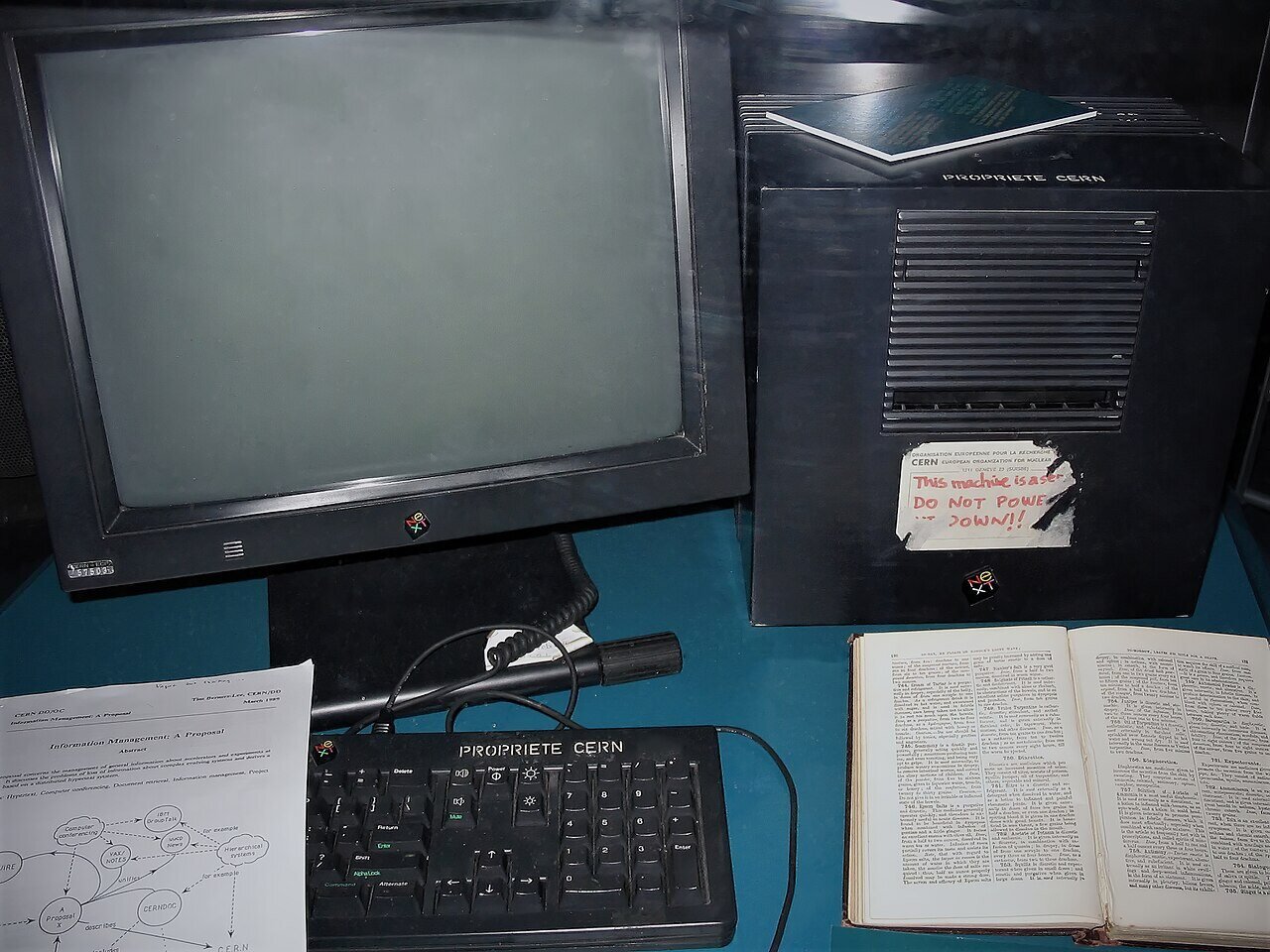
Tim Berners-Lee, a scientist at CERN in Switzerland, first proposed the Web in March 1989. By Christmas 1990 he had defined its three basics: HTML (the language of pages), HTTP (how pages travel) and URLs (web addresses). He told the world about it on 6 August 1991, in a newsgroup for hypertext fans. The first website, info.cern.ch, simply explained the Web itself. It ran on his NeXT computer.
The stack was HTML typed by hand and one server. Pages were mostly text and links. In cinemas, Terminator 2 (July 1991) amazed audiences with a liquid-metal villain brought to life with computer graphics.
1993: Mosaic puts pictures on the page
The Mosaic browser, from NCSA in the USA, had its first official release on 21 April 1993. It was the first published browser to show pictures next to text, like a magazine. Nine days later, on 30 April, CERN put the Web into the public domain. Anyone could now build on it, free.
That year, Jurassic Park gave computer fans a famous line: "It's a Unix system. I know this." The 3D file screen in that scene was based on real software called FSN.
1994: Netscape and the W3C arrive
In October 1994, Tim Berners-Lee founded the World Wide Web Consortium (W3C) at MIT, to agree common standards for the Web. On 15 December 1994, Netscape Navigator 1.0 came out. Within four months, about 75 percent of people online were using it.
A typical site was one page of headings, bullet lists and links. On TV, Friends premiered on 22 September 1994. The gang met in a coffee shop, not in a chat room.
1995: JavaScript is written in 10 days
In May 1995, Brendan Eich at Netscape built the first version of JavaScript (code that runs inside the page) in ten days. Netscape and Sun announced it as JavaScript on 4 December 1995. In June, Rasmus Lerdorf released PHP (code that builds the page on the server). He first used it to track visits to his online résumé. The Apache web server had its first public release in April, and Microsoft shipped Internet Explorer 1 in August.
India came online too. VSNL opened public internet access on 15 August 1995. The dream of the day was The Net (1995), where Sandra Bullock's character orders pizza online. And on 20 October 1995, Dilwale Dulhania Le Jayenge opened. In October 2025, thirty years on, it was still showing daily at Mumbai's Maratha Mandir.
1996–1999: Flash, frames and the dot-com party
1996: CSS1, Flash and Space Jam
On 17 December 1996, CSS1 became a W3C Recommendation. CSS (style sheets) lets you set fonts, colours and layout in one place, apart from the content. Few designers used it at first. Late in 1996, Macromedia bought the maker of an animation tool called FutureSplash, and renamed the tool Flash. In India, Ajit Balakrishnan founded Rediff.com.
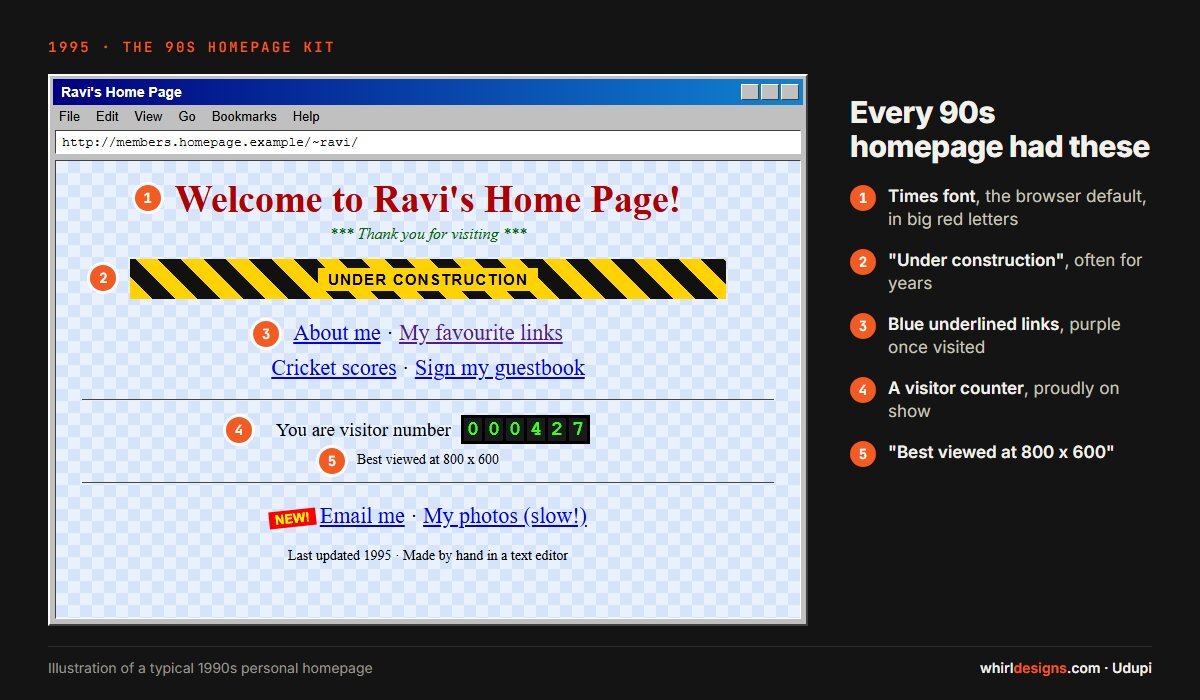
The typical page used HTML tables for layout, font tags for style, and frames (one window split into several pages). Space Jam came out that year, and its website is the one still online today.
1997: HTML 4 and Dreamweaver
HTML 4.0 became a W3C Recommendation on 18 December 1997. That year Macromedia also launched Dreamweaver, a visual editor: you placed boxes on a page and it wrote the HTML for you. The look was tiled backgrounds, animated GIFs and plenty of blinking text.
One day after HTML 4, on 19 December 1997, Titanic opened in the USA. It became the first film to earn over a billion dollars worldwide.
1998: Google, and "You've got mail"
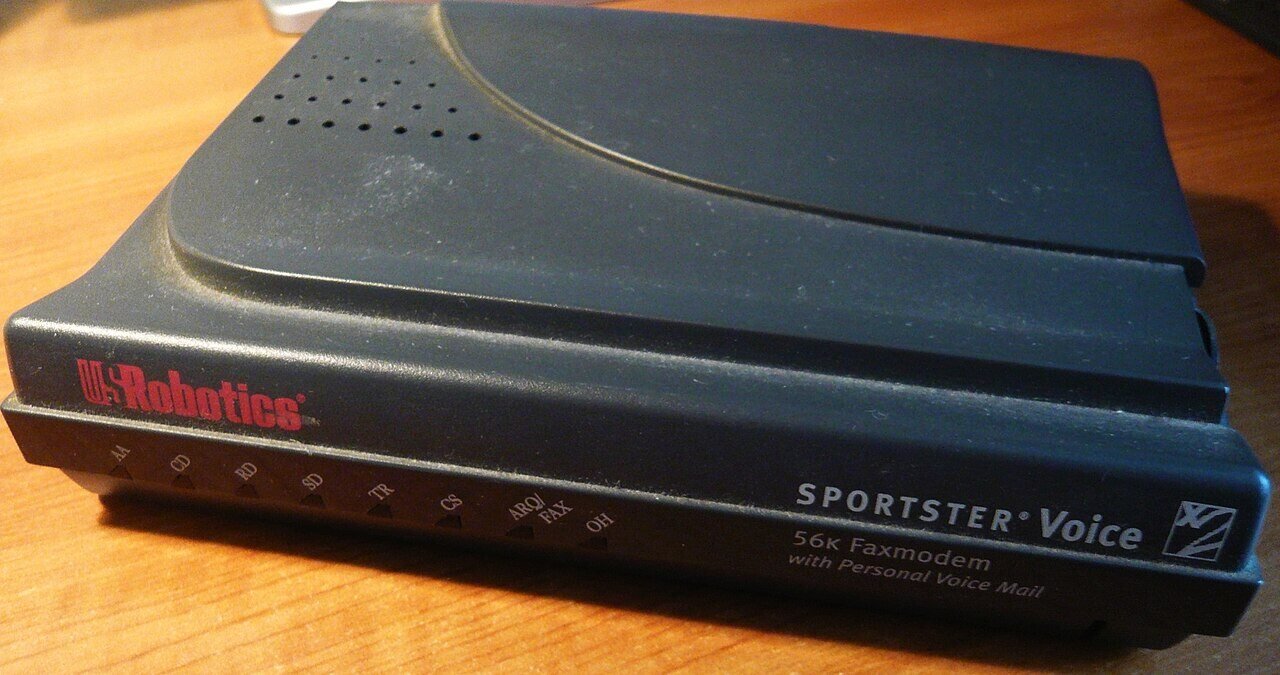
Larry Page and Sergey Brin turned Google into a company in 1998, working out of a garage in Menlo Park. PHP 3 followed in June. Most people reached the web through a dial-up modem that screeched as it connected, so every kilobyte counted and designers kept images small.
In December, You've Got Mail reached cinemas. Its title was the greeting AOL users heard when new email arrived.
1999: Flash 4, The Matrix and the Y2K scare
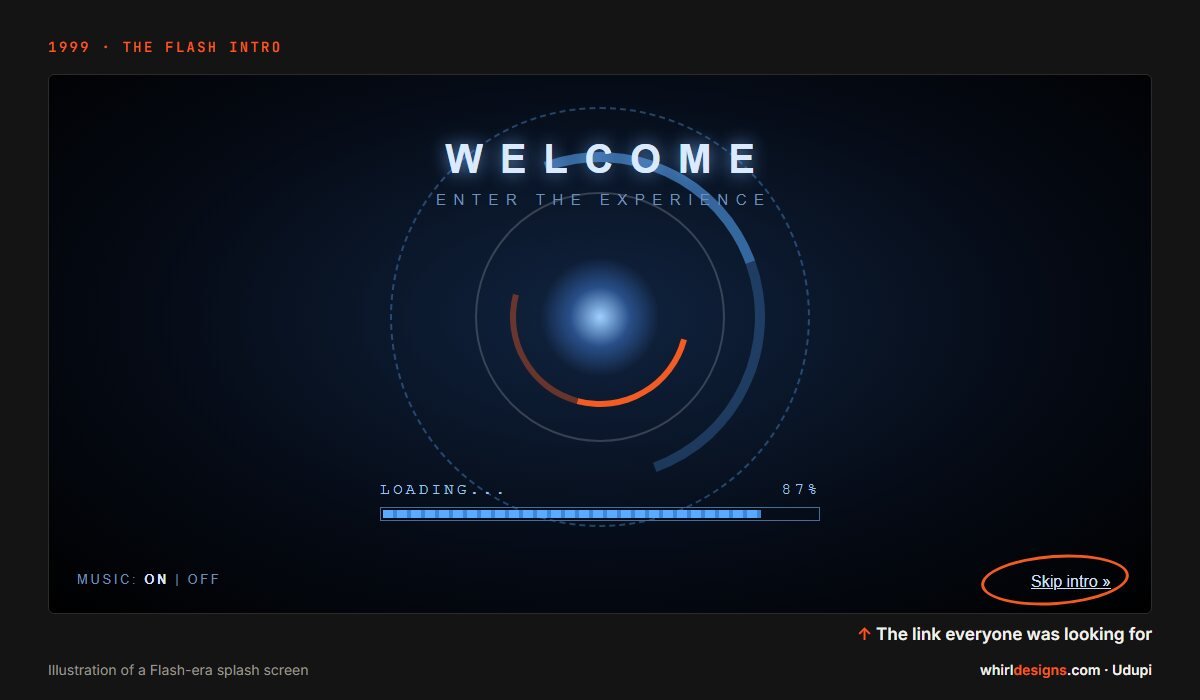
Flash 4, released in May 1999, added a simple scripting language. Whole websites were now built in Flash, with animated intros, music and wobbling buttons. Visitors learned to hunt for the "Skip intro" link. Meanwhile, companies rushed to fix the Y2K bug: old software stored years as two digits, so 2000 might be read as 1900. When 1 January 2000 came, there were very few problems.
On 31 March 1999, The Matrix opened in the USA. Red pill or blue pill, everyone had an opinion.
2000–2004: PHP, MySQL and the crash
2000: The dot-com crash and the Nokia 3310
The Nasdaq stock index peaked on 10 March 2000. Then the dot-com bubble burst, and many internet startups collapsed within months. PHP 4 came out in May. PHP with a MySQL database became a popular pair for sites that changed every day, like news portals and shops.
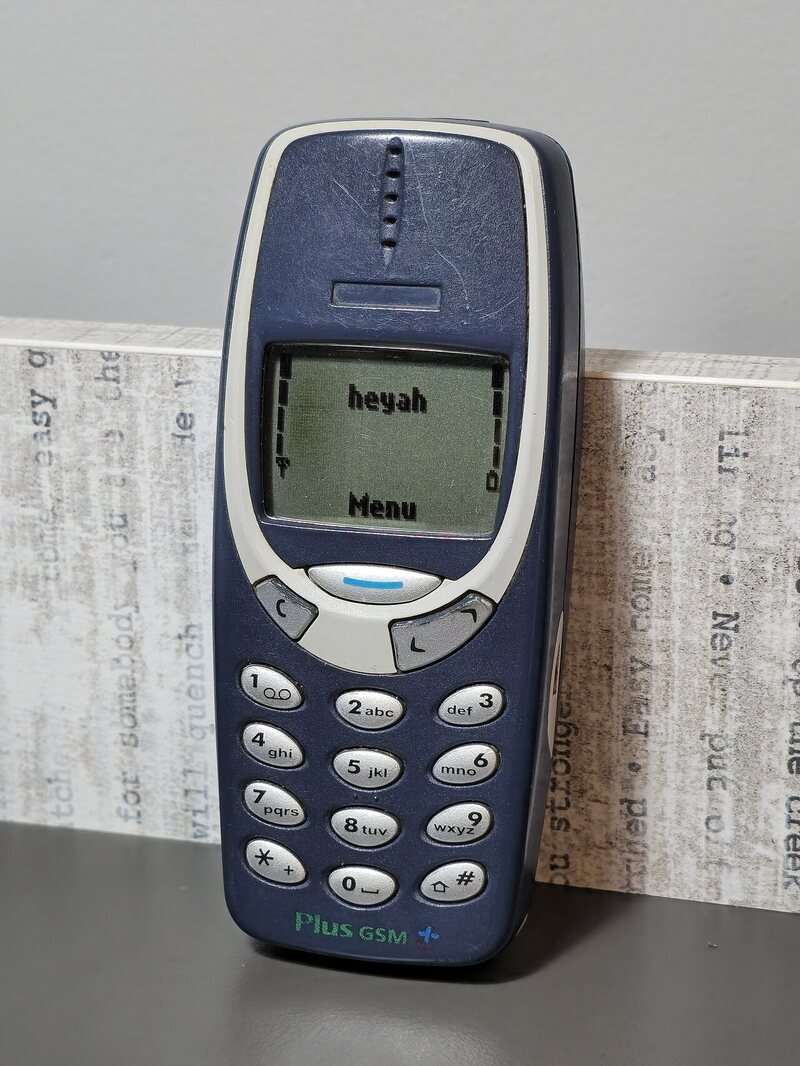
In July, Kaun Banega Crorepati premiered with Amitabh Bachchan as host. On 1 September, Nokia launched the 3310, the phone with Snake II. It went on to sell 126 million units.
2001: Internet Explorer 6 arrives
Microsoft released Internet Explorer 6 in August 2001, in time for Windows XP. By late 2003, Internet Explorer had around 90 percent of the market. Then IE6 refused to leave: designers wrote special fixes for it for years, and nearly a decade later it still had about 17 percent.
In 2001, Dil Chahta Hai sent three friends to Goa, and a Goa trip with friends went onto countless college bucket lists.
2003: WordPress and the CSS Zen Garden
On 27 May 2003, the first version of WordPress was released. Anyone could now run a blog, and later a whole website, without writing code. It is still a sound choice for content-heavy sites, and part of our WordPress development work. The same year, designer Dave Shea launched the CSS Zen Garden. Every design on it uses the exact same HTML; only the CSS changes. Its own history notes that in 2003, CSS was still mostly used for fonts and colours, while layouts lived in tables.
On 8 August 2003, Koi... Mil Gaya introduced India to Jadoo, the friendly alien.
2004: Gmail, Orkut and Firefox
Orkut, Google's social network, launched early in 2004 and was widely used in India and Brazil. On 1 April 2004, Google announced Gmail with 1 GB of free storage. The date made many people think it was an April Fool joke. Gmail and Orkut both updated parts of the page without reloading it. On 9 November, Firefox 1.0 arrived as a free rival to Internet Explorer.
In cinemas, Dhoom (27 August 2004) was all about bike chases.
2005–2009: AJAX, jQuery and Web 2.0
2005: AJAX gets a name, YouTube starts at the zoo
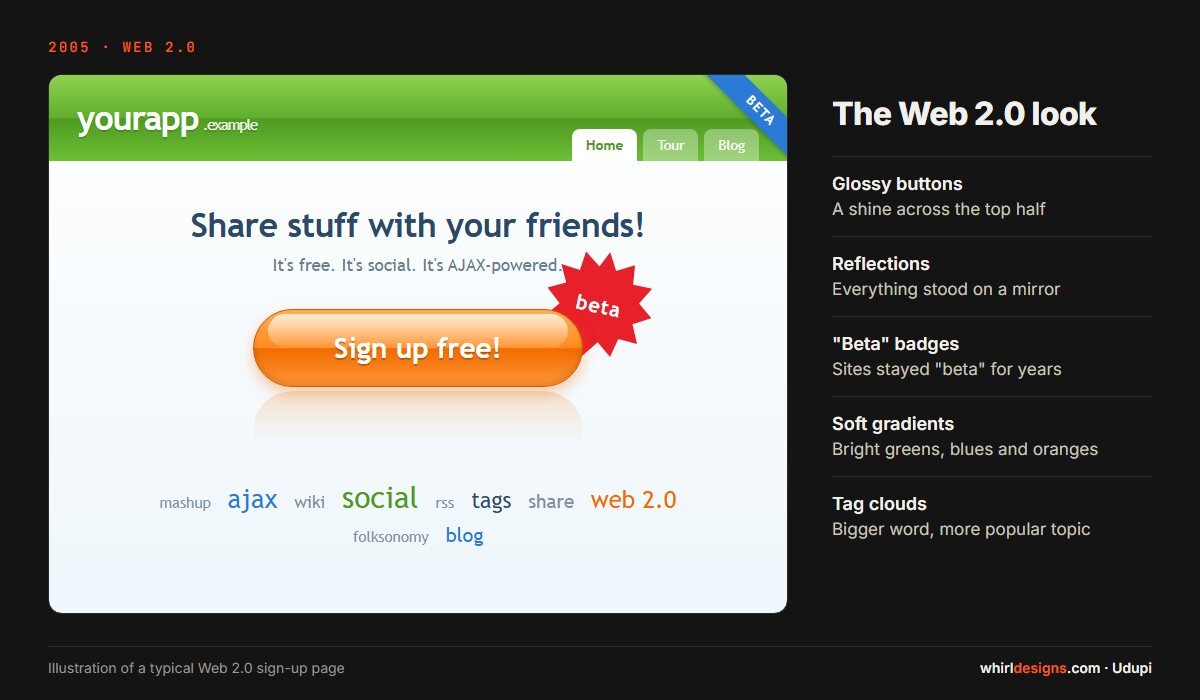
On 18 February 2005, Jesse James Garrett gave this new style a name: Ajax (Asynchronous JavaScript and XML), meaning pages that update without reloading. His examples included Google Maps, Gmail and Orkut. Ajax became the heart of "Web 2.0": sites that felt like apps, with glossy buttons, soft gradients and a "beta" tag on everything.
On 23 April 2005, YouTube co-founder Jawed Karim uploaded the first video, "Me at the zoo". It is 18 seconds long and stars two elephants.
2006: jQuery makes JavaScript easy
Every browser ran JavaScript a little differently. John Resig's jQuery hid those differences behind short, simple commands. jQuery 1.0 came out on 26 August 2006 and became the most widely adopted library of its time. The typical stack was now PHP and MySQL on the server, with jQuery in the browser.
In Karnataka, the Kannada film Mungaru Male (2006) ran for 460 days in a row in theatres.
2007: The iPhone, and India wins the T20 World Cup
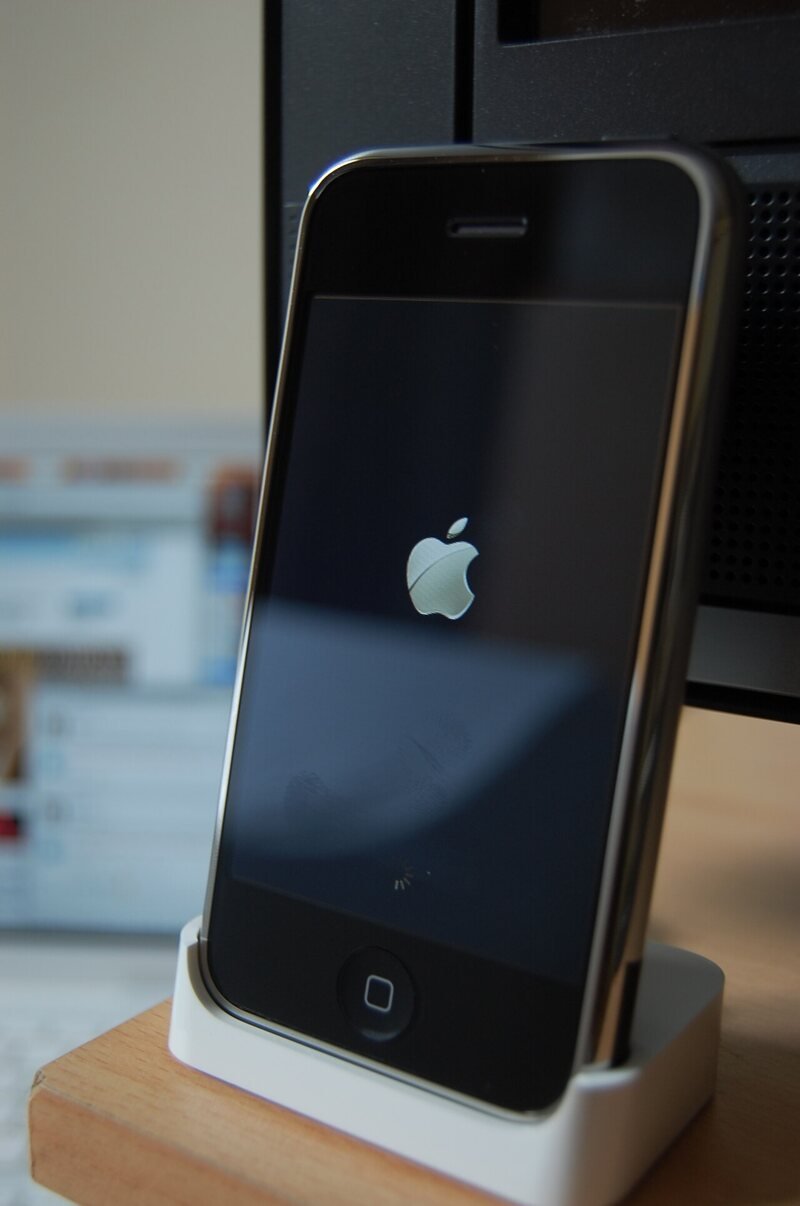
Apple introduced the iPhone on 9 January 2007, with a real web browser in your pocket. It went on sale in the USA that June. Most websites were still built for big desktop screens, so you pinched and zoomed to read them.
On 24 September 2007, MS Dhoni's team beat Pakistan in Johannesburg to win the first T20 World Cup.
2008: Google Chrome and the first IPL
Google launched the Chrome browser in beta on 2 September 2008, in more than 100 countries. It was built to run web apps fast, with each tab kept separate. Earlier, on 18 April 2008, the first IPL match was played at Bengaluru's Chinnaswamy Stadium, and Brendon McCullum scored 158 not out.
2009: Node.js, goodbye GeoCities, and 3 Idiots
Ryan Dahl released Node.js in 2009, so JavaScript could run on the server too. On 26 October 2009, Yahoo shut down GeoCities, the free host where thousands of 90s home pages lived. On 25 December, 3 Idiots opened and became Bollywood's highest-grossing film so far.
2010–2014: Phones and responsive design
2010: Flash loses the phone, websites learn to bend
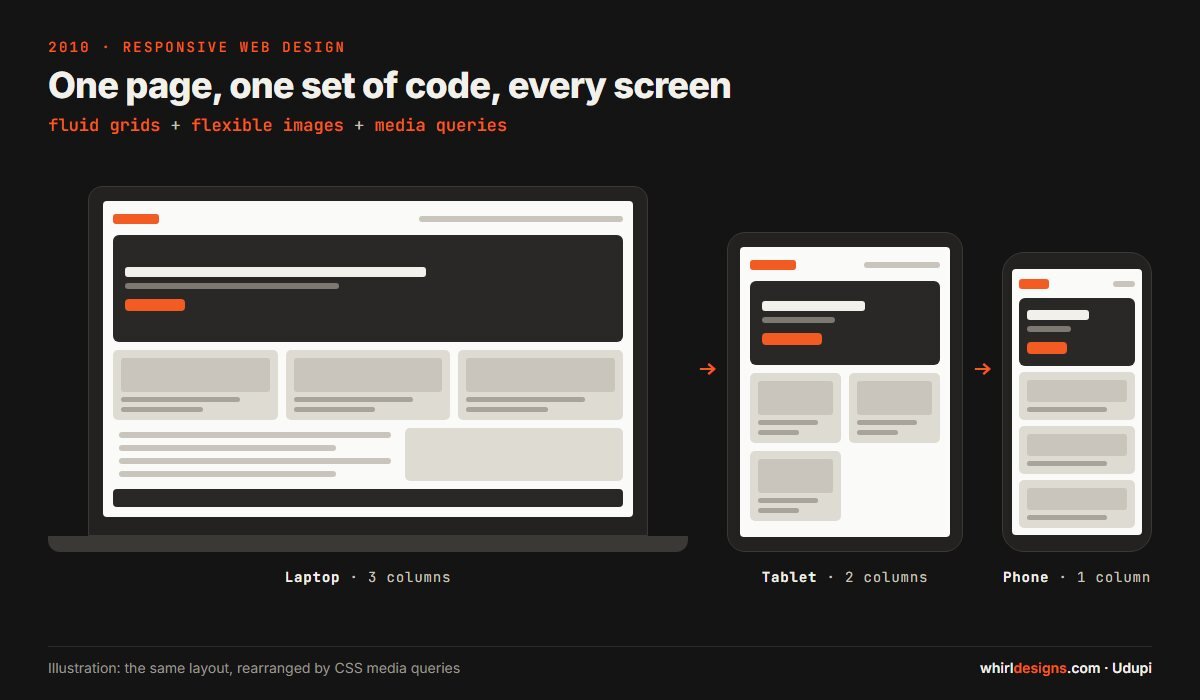
On 29 April 2010, Steve Jobs published "Thoughts on Flash", explaining why the iPhone and iPad would not run it. Apple had chosen open standards instead: HTML5, CSS and JavaScript. Weeks later, on 25 May, Ethan Marcotte published "Responsive Web Design" in A List Apart. His recipe had three parts: fluid grids, flexible images and media queries (CSS rules that change with screen size). One website could now fit every screen.
On 1 October, The Social Network told the story of how Facebook began.
2011: Bootstrap, the World Cup and Kolaveri Di
On 2 April 2011, Dhoni finished the final with a six at the Wankhede, and India won the World Cup. On 19 August, Bootstrap was released: a ready-made kit of CSS and page parts, built at Twitter. On 16 November, "Why This Kolaveri Di" went up on YouTube, and the Tanglish song went viral within days.
2012: Bootstrap goes responsive
Bootstrap 2 added a responsive grid, so sites built with it "virtually work out of the box" on phones and tablets. In December 2012, PSY's "Gangnam Style" became the first YouTube video to pass one billion views.
2013: React is open-sourced
In May 2013, Facebook open-sourced React. React builds pages from small reusable pieces called components, a bit like Lego bricks for screens. Many modern web apps are built on it, including the ones we build with React and Next.js. In November, Sachin Tendulkar played his 200th and final Test at the Wankhede, and the crowd chanted his name one last time.
2014: HTML5 becomes official
On 28 October 2014, the W3C published HTML5 as a Recommendation. HTML5 brought video, audio and drawing into the page itself, with no plugin needed. That summer, about 17 million people posted videos of the Ice Bucket Challenge, tipping ice water over their heads for ALS research.
2015–2019: React, single-page apps and Jio
2015: Mobilegeddon
On 21 April 2015, Google began giving mobile-friendly pages a boost in mobile search. Some people called it "Mobilegeddon". A site that failed on phones now lost visitors, not just looks. In June, a big JavaScript update called ES2015 arrived, and single-page apps (sites that load once and then swap content in place) grew popular. Meanwhile, Baahubali: The Beginning left India with one question: "Why did Kattappa kill Baahubali?"
2016: UPI, Pokémon Go and Jio
UPI (instant bank payments by phone) began its pilot in April 2016 and went live with 21 banks that August. In July, Pokémon Go topped the download charts in 70 countries at once. On 5 September, Reliance Jio launched with free 4G data until 31 December, and passed 16 million users in about a month. After Jio, designing for the phone first made sense for almost every Indian business. In October, Next.js was open-sourced, making React sites easier to render on the server.
2017: Flash's end is announced, CSS Grid arrives
In March 2017, Firefox 52 and Chrome 57 shipped CSS Grid, a real two-way layout system for rows and columns. Twenty years after table layouts, CSS could finally do the job properly. On 25 July, Adobe announced it would stop updating Flash Player at the end of 2020. And in cinemas, Baahubali 2: The Conclusion finally answered the Kattappa question.
2018: Chrome labels HTTP "Not secure"
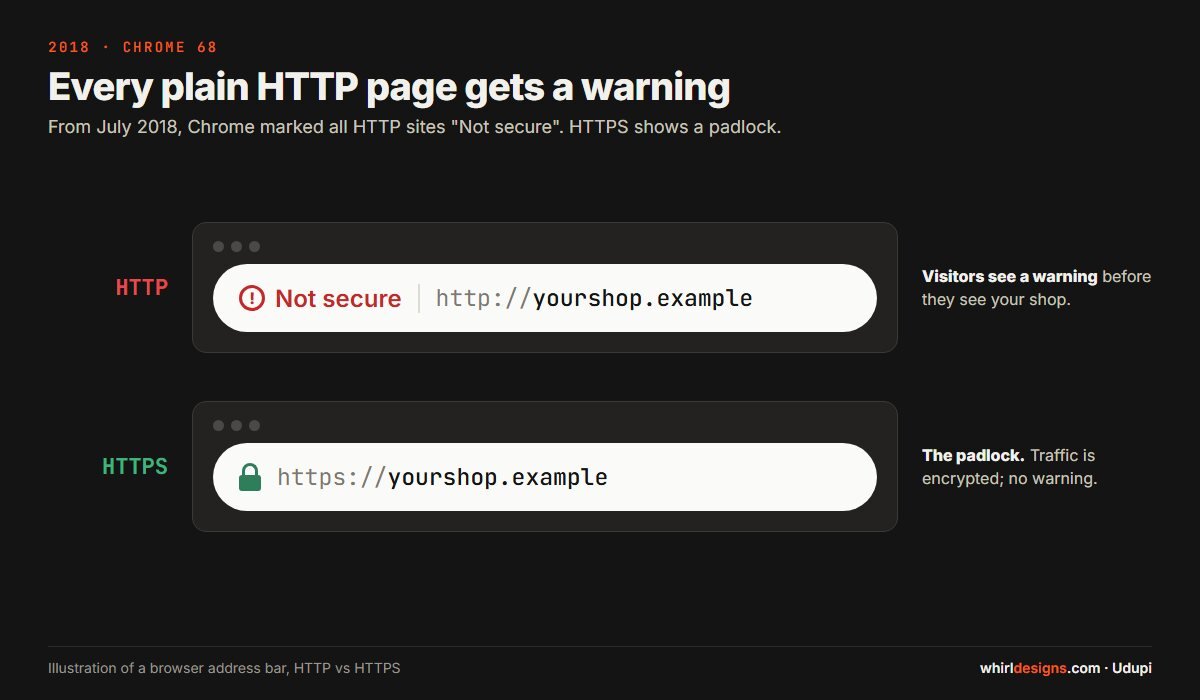
From July 2018, with Chrome 68, every plain HTTP page showed "Not secure" in the address bar. HTTPS, the padlock, became a must for every business site, not just online shops. On 21 December, KGF: Chapter 1 released and became the first Kannada film to make ₹100 crore.
2019: Lazy loading comes built in
Starting with Chrome 76 in 2019, the browser could lazy-load images by itself. Add loading="lazy" to an image and it only downloads when you scroll near it. One small attribute, lighter pages. On 26 April 2019, Avengers: Endgame opened in India after more than 2.5 million advance tickets were booked on BookMyShow.
2020–2023: Core Web Vitals, Jamstack and the pandemic
2020: Lockdown, Core Web Vitals and goodbye Flash
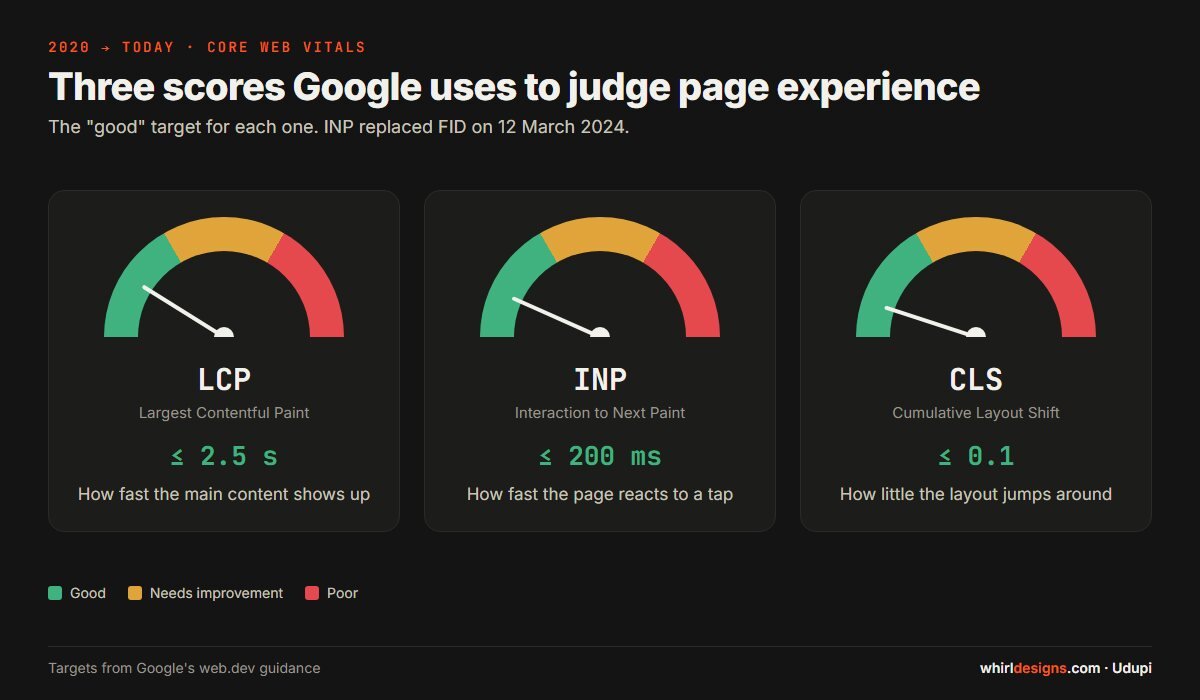
On 24 March 2020, India announced a 21-day nationwide lockdown. Shops shut and life moved onto phones and laptops. On 5 May, Google introduced Core Web Vitals: three scores for loading speed (LCP), response to the first tap (FID) and visual stability (CLS). On 31 December 2020, Flash reached its end of life. The fashionable stack was "Jamstack" (JavaScript, APIs and Markup): pages built ahead of time, often with Next.js, and served from fast global networks. We explain the scores in plain words in our guide to Core Web Vitals.
2021: Speed becomes a ranking signal
Google rolled Core Web Vitals into search ranking from mid-June to the end of August 2021, as part of its page experience update. On 7 August, Neeraj Chopra threw 87.58 metres in Tokyo and won India's first Olympic gold in athletics.
2022: ChatGPT arrives
On 30 November 2022, OpenAI released ChatGPT to the public. Suddenly, anyone could ask a computer in plain English to write or fix code. Earlier that year, on 14 April, KGF: Chapter 2 released, and its Hindi version broke opening-day records.
2023: Container queries, and an Oscar for Naatu Naatu
On 14 February 2023, container queries became stable in all modern browsers. Now a card or a widget can change its layout based on the box it sits in, not just the screen size. On 12 March, "Naatu Naatu" from RRR won the Oscar for Best Original Song, the first song from an Indian film to win one.
2024–2026: AI builders and back to basics
2024: INP, and websites from a prompt
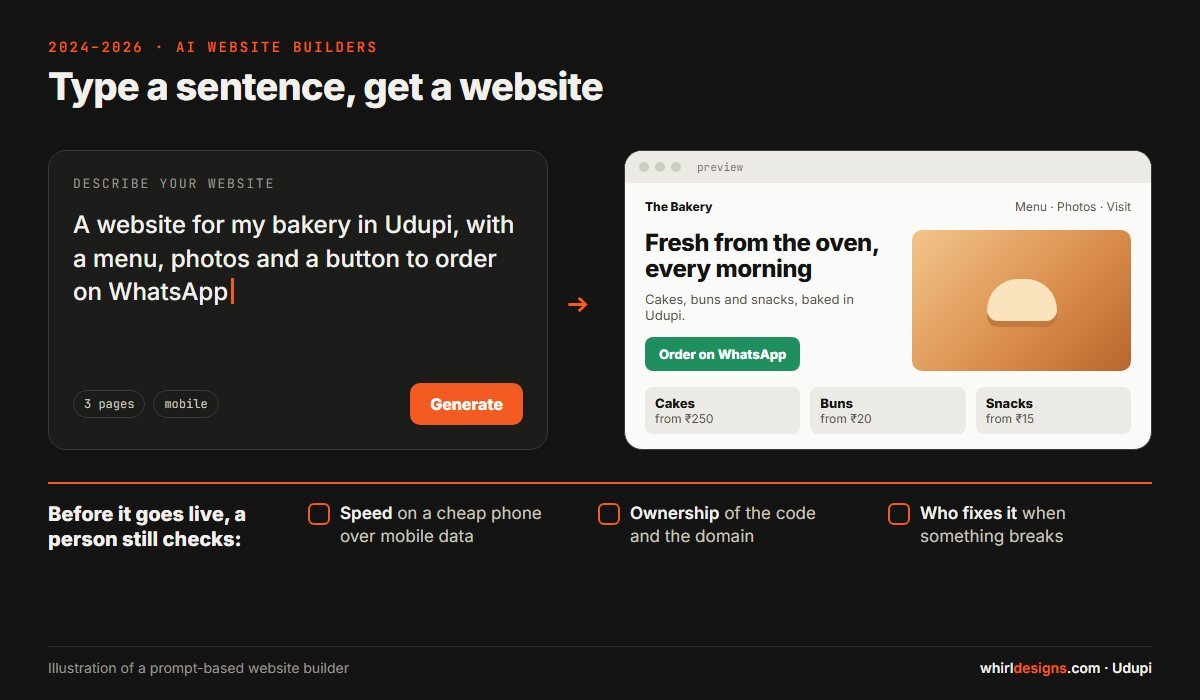
On 12 March 2024, INP (Interaction to Next Paint, how fast a page reacts when you tap) replaced FID as a Core Web Vital. In October, StackBlitz launched Bolt, one of a new wave of AI tools that turn a typed prompt into a working web app. We compare that route with a classic build in AI-built websites vs WordPress. On 29 June 2024, India beat South Africa by seven runs in Barbados to win the T20 World Cup again.
2025: Vibe coding becomes a word
On 2 February 2025, AI researcher Andrej Karpathy coined "vibe coding": building software by describing it to an AI, and in his words, forgetting "that the code even exists". In November, Collins Dictionary made it the Word of the Year. On 2 November 2025, India's women beat South Africa by 52 runs in Navi Mumbai to win their first World Cup.
2026: Back to basics
On 8 March 2026, India beat New Zealand by 96 runs and became the first team to win the T20 World Cup at home. On the web, the tools have never been fancier, yet the basics are back in style: fast pages, clean HTML and code a person can read. Our own site, whirldesigns.com, is hand-written PHP with a small SQLite database. It is a 2026 website built on 1995's language.
The typical stack, era by era
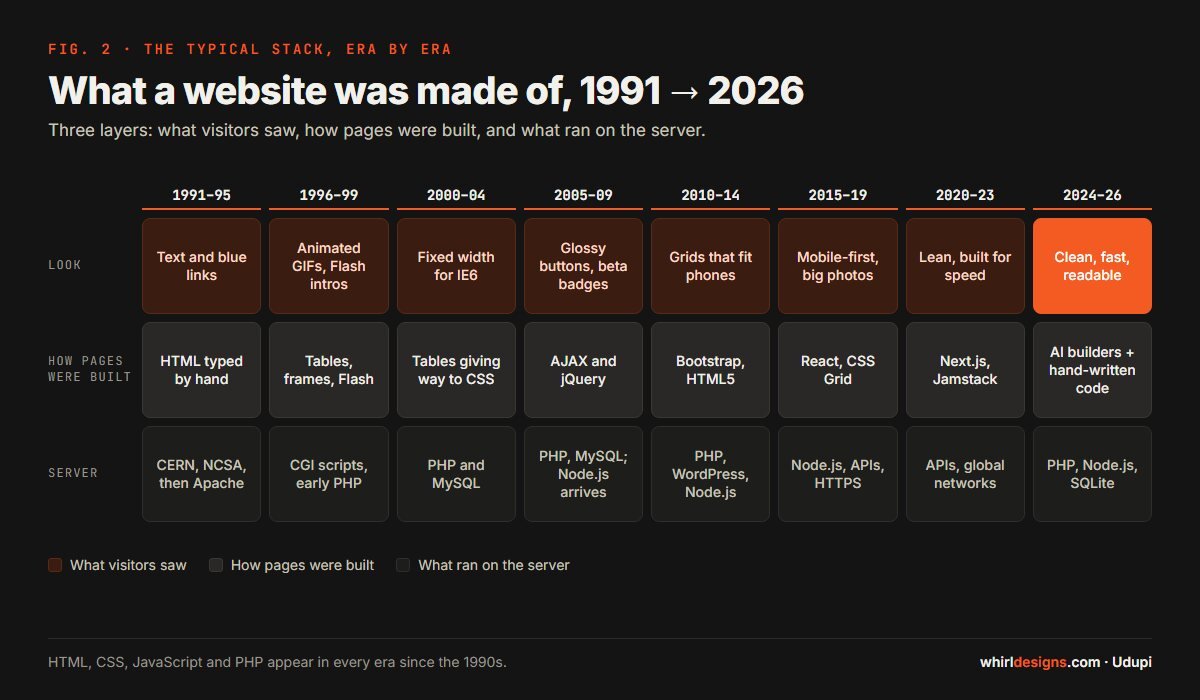
| Era | How pages were built | Server side | Look and feel | Pop culture of the time |
|---|---|---|---|---|
| 1991–1995 | HTML typed in a text editor | CERN and NCSA servers, then Apache; CGI scripts | Text, blue links, first pictures | Terminator 2, Jurassic Park, Friends, DDLJ |
| 1996–1999 | Tables, font tags, frames; Dreamweaver; Flash | CGI scripts, early PHP | Tiled backgrounds, animated GIFs, Flash intros | Space Jam, Titanic, You've Got Mail, The Matrix |
| 2000–2004 | Tables giving way to CSS; WordPress | PHP and MySQL | Fixed-width pages, tested in IE6 | KBC, Nokia 3310, Dil Chahta Hai, Dhoom |
| 2005–2009 | AJAX and jQuery | PHP and MySQL; Node.js arrives | Glossy buttons, gradients, beta badges | Me at the zoo, Mungaru Male, first IPL, 3 Idiots |
| 2010–2014 | Responsive CSS, Bootstrap, HTML5 | PHP, WordPress, Node.js | Grids that fit phones | The Social Network, Kolaveri Di, Gangnam Style |
| 2015–2019 | React, single-page apps, CSS Grid | Node.js, APIs, HTTPS everywhere | Mobile-first, big photos | Baahubali, Pokémon Go, KGF, Endgame |
| 2020–2023 | Next.js, Jamstack, container queries | APIs and fast global networks | Lean pages built for Core Web Vitals | Lockdown, Neeraj Chopra's gold, RRR |
| 2024–2026 | AI builders beside hand-written code | PHP, Node.js, SQLite and more | Clean, fast, readable | Two T20 titles, a women's World Cup, vibe coding |
What this history means for a business site in 2026
What lasted. The oldest parts are the strongest. HTML (1991), JavaScript (1995), PHP (1995) and CSS (1996) still run the web. The 1996 Space Jam page still loads. Plain, fast pages age well.
What died. Flash is gone. So are frames, table layouts, visitor counters, "Skip intro" buttons and IE6 fixes. If your site still depends on any of these, or on a plugin nobody updates, it needs a legacy rescue and migration before it breaks for good.
How to choose. Pick for the job, not the trend:
- A simple business site (services, photos, contact): plain HTML or PHP is fast, cheap to host and easy to keep.
- A site your staff update every week: WordPress, kept light.
- App-like features such as logins, dashboards or bookings: React and Next.js.
- An AI builder: fine for a first draft. Check the speed on a phone, who owns the code, and who fixes it later.
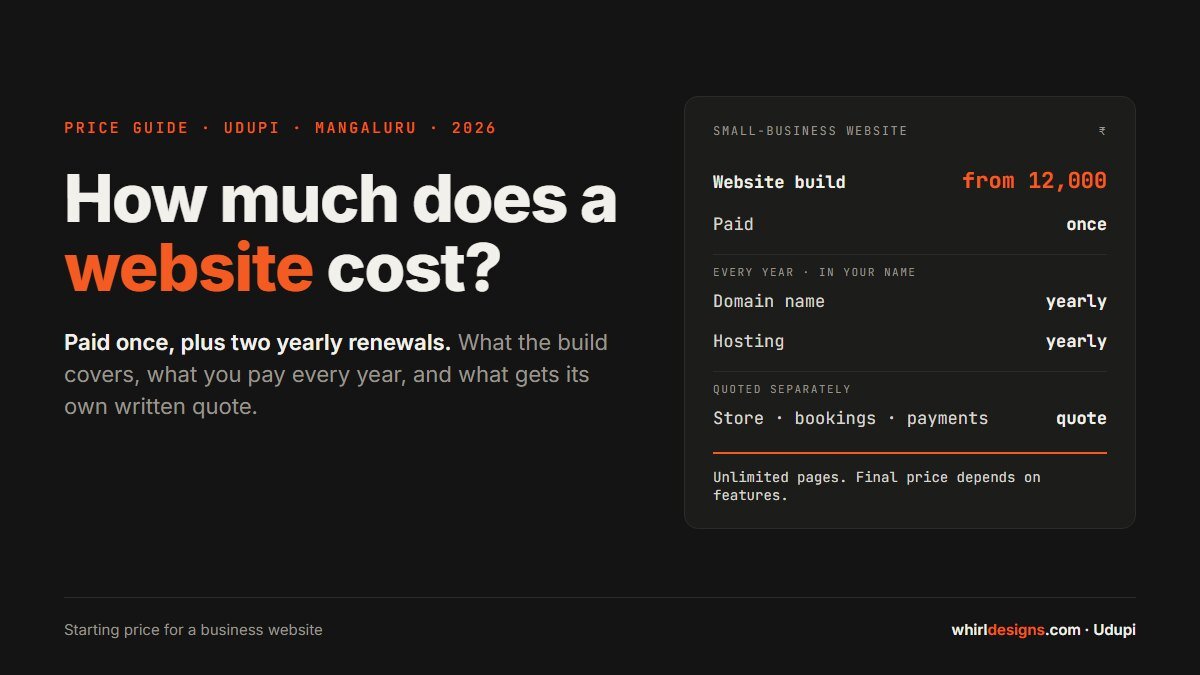
Whatever you choose, test it on a cheap phone over mobile data. Our website design and development work follows that rule. For a small business, we offer a business website from ₹12,000, one-time, unlimited pages, 365 days support.
Common questions
What was the first website ever made?
The first website was info.cern.ch, made by Tim Berners-Lee at CERN. It explained the Web project itself, ran on his NeXT computer, and was announced on 6 August 1991.
When did websites stop using tables for layout?
Slowly. CSS arrived in 1996, but table layouts lasted well into the 2000s. CSS Grid, which shipped in major browsers in 2017, finally gave the web a proper layout system.
Why did Flash websites disappear?
Flash never ran on the iPhone or iPad, and HTML5 could play video and animation without a plugin. Adobe ended Flash Player on 31 December 2020.
Is PHP still used to build websites in 2026?
Yes. PHP dates from 1995 and is still widely used, including by WordPress. Our own site, whirldesigns.com, is hand-written PHP with a small SQLite database.
Should a small business use an AI website builder?
For a first draft, yes. Before going live, check that it loads fast on a phone, that you own the code and domain, and that someone can fix it later.
Talk to a web studio in Udupi
Whirl Designs is a small web and software studio in Udupi, Karnataka. We build fast websites in hand-written PHP, WordPress and React. Message us on WhatsApp at +91 99025 67645, or send us your requirement and we will reply with a plan.