Shopify development · Udupi & Mangaluru

A Shopify store set up for how India buys

We set up Shopify stores for brands, producers and shops: the theme, product pages, UPI and cash on delivery, GST invoices and courier apps. Come to our Udupi studio to talk it over, and we keep helping after the first orders come in.

Demo screen with made-up data.
Yours from day one
Shopify owner account, domain and gateway
No shared passwords
we work through collaborator access
Few, chosen apps
each one written down with its reason
Test orders first
UPI, card and cash on delivery, before launch

In short

What does a Shopify developer do?

A Shopify developer sets up and shapes an online store on Shopify: the theme buyers see, the product pages, payments, taxes, shipping and the few apps the store needs, then places test orders before launch. Whirl Designs offers this from its Udupi studio in coastal Karnataka to Indian businesses, with UPI, cash on delivery and GST invoices working and the store registered to its owner.

Updated · Whirl Designs, Udupi

Start here

Ready theme, adjusted theme or custom theme?

Every Shopify store runs on a theme, the layer buyers see and tap. How much work the theme needs is the first decision, and most stores need less than their owners expect.

A ready theme, set up well

Best for: A first store with a clear, modest catalogue

  • A theme from Shopify's theme store, with your logo, colours, photos and words
  • Selling soonest, and easy for your team to change later
  • Looks like other stores on the same theme, unless your photos set it apart
A ready theme, adjusted

Best for: A brand that needs a few pages done its own way

  • New sections for what the theme lacks, such as a size guide or a recipe block
  • Your team still moves sections and changes banners without us
  • Theme updates are checked against the changes before they go live

A custom theme

Best for: A look or layout that no ready theme gives you

  • Written in Liquid, Shopify's theme language, around your products and brand
  • Carries only the code your store uses, so pages stay light on mobile data
  • More weeks of work, and the theme files are yours to keep

Your products, customers and orders stay where they are when the theme changes, so a store that opens on a ready theme can move to a custom one later without starting again.

Our work

No Shopify store of ours to show you yet

Shopify is new ground for our client work. We are yet to build a Shopify store for a client, so none is shown here, and the coconut-chips shop at the top of this page is invented. The nearest real work is a custom theme on top of an existing platform, public pages that show a business's goods, and a system that sends customers their messages by itself.

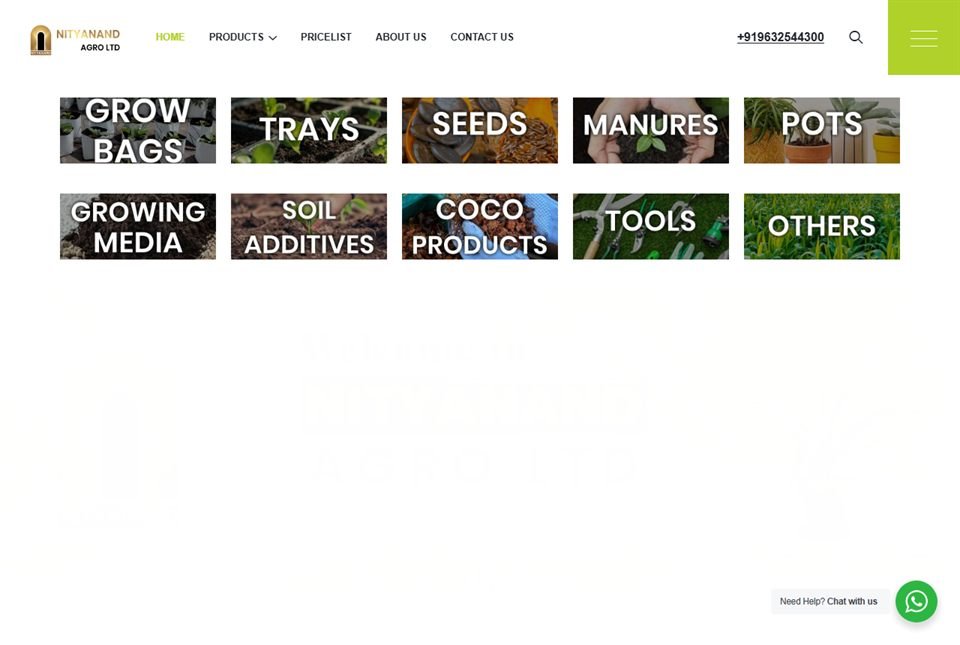
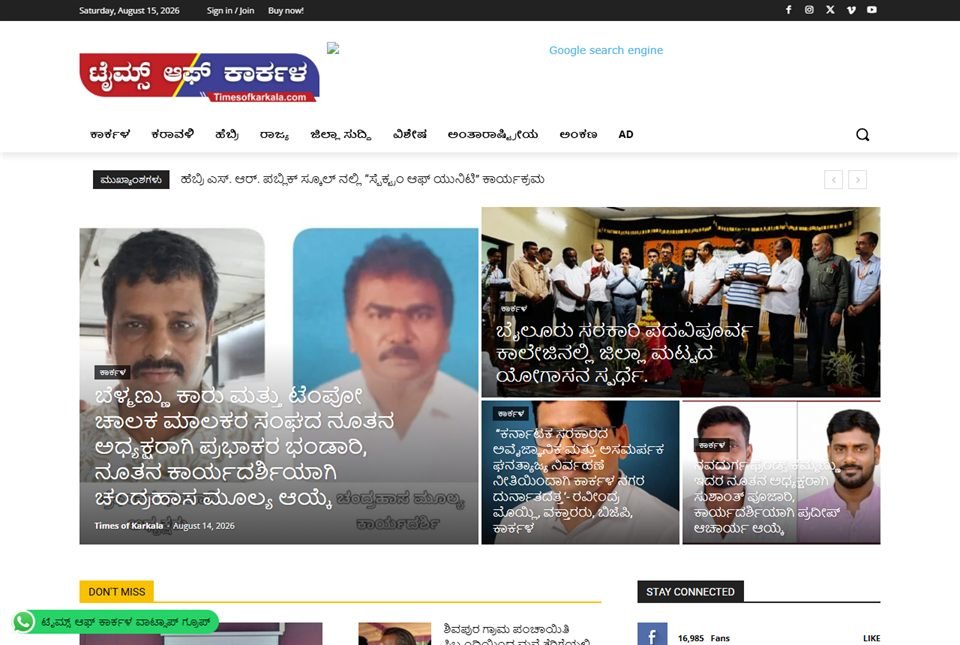
The Karkala news portal Times of Karkala runs on a custom WordPress theme we built, the same kind of layer a custom Shopify theme adds on top of Shopify. Nityanand Agro sells agri products in Karnataka; we made its public catalogue site, which sits beside the billing and stock system its staff use all day. Jayalaxmi Jewellers, a Karkala gold house trading since 1990, has a brand website with its collections, and a separate retail ERP of ours runs its counter.

  • Times of Karkala: built to stay quick with a homepage full of images, the same problem a photo-led store theme has to solve
  • Times of Karkala: Kannada typography that stays readable, which Kannada product names and descriptions would need too
  • Jayalaxmi Jewellers: the system sends each WhatsApp receipt and reminder itself, on message templates approved in advance, which is how a buyer's shipping updates would go out too

Closest projects

What you get

What every Shopify store we set up includes

Each of these is settled with you and put in writing first, for a new store or one that already takes orders.

  1. Product pages that work on a phoneEach size or weight is a choice on one product page, not a separate product. Photos are sized to load quickly on mobile data, what the buyer pays with GST included is shown once and clearly, and the delivery time sits next to the button.
  2. Delivery areas, cash on delivery and GSTShipping zones, delivery terms, cash-on-delivery rules and taxes are set for how your business works, not left as they came. If you ship only within Karnataka, or allow cash on delivery only on smaller orders, the store is set up that way from day one.
  3. A home page your team can changeThe home page is built from sections: a banner, a featured collection, reviews, a festival offer. Your staff can move, hide or edit them in Shopify's editor without calling us or touching code.
  4. Packing, labels and trackingOrders move from new to packed to shipped on one screen. A courier app prints labels, books pickups and sends the buyer a tracking link, and the money collected on cash-on-delivery parcels is matched back to its orders.
  5. Products and searchProducts come in from your spreadsheet with names, photos, weights and HSN codes. Titles, descriptions and web addresses are written so Google can read each product, and the catalogue is linked to Google Merchant Center, so your products can appear in Google's shopping results.
  6. Logins for your team, and trainingStaff who handle orders get their own logins, with only the permissions their work needs, so nobody uses the owner's account. Training covers the everyday jobs on your own store: a new order, a refund, a parcel sent back, a product back in stock.

How it runs

How a Shopify store gets built

Nothing goes live until you have seen it on your own phone and placed test orders on it.

  1. What you sell, and where it ships from

    We go through your products, their sizes or weights, where parcels are packed and who collects them. That settles which apps the store needs and whether a ready theme will do.

  2. Accounts opened in your name

    Either you open the Shopify store yourself, or it is built on a development store, a practice store Shopify gives developers, and then handed to you. Payment gateways and couriers check your business papers before they open an account, which can take several working days, so both are applied for in your business's name in week one.

  3. The theme, on a preview link

    Shopify can show a theme before it goes live. You open the preview on your own phone, tap through the product and cart pages, and point out what feels wrong while each change is still small.

  4. Products in, then test orders

    You check the products once they are loaded. Then, with the gateway still in test mode, you place orders the way buyers will, by UPI, card and cash on delivery, and cancel one and refund another. Each order is then checked from start to finish: the GST invoice it made, its shipping label and every message sent to the buyer.

  5. Launch, and the months after

    Your domain is pointed at the store, and Google is given the list of its pages. Once it is selling, theme fixes, new apps and new pages are handled by the people who set it up, so nobody new has to learn your store first.

Not a fit

When we will steer you away from Shopify

Shopify suits many Indian stores well. For a few, it is the wrong base, and it is better to hear that before anything is built.

  • Your products do not sell at one fixed figure. Goods sold by loose weight, gold billed at the day's market value, or different terms for each wholesale buyer all work against Shopify. WooCommerce or a custom store fits better.
  • What you sell is a booking, not a parcel. Rooms, tours, classes and appointments need dates and slots, which Shopify handles only through add-on apps. A booking system does that job properly.
  • The checkout must work your own way. Shopify's checkout takes your logo and colours, but its steps and fields stay Shopify's own, and deeper changes are open only on Shopify Plus, its edition for large brands. If buyers must do something unusual before they pay, look at WooCommerce or a custom store.
  • You want the store on a server you own. A Shopify store lives on Shopify. Products, customers and orders can be downloaded, but the theme and the apps only run there.

5.0 on Google — read our reviews

Questions

Questions about Shopify stores

Can I use Shopify in India and take UPI payments?

Yes. Shopify stores sell in rupees across India, but Shopify's own payment service is not offered here, so payments go through an Indian gateway such as Razorpay, Cashfree or PayU. The gateway brings UPI, cards, net banking and wallets, and it is opened in your business's name. Cash on delivery is a separate option in Shopify, which can be allowed on every order or limited with an app.

Does Shopify create GST invoices?

Not on its own. Shopify's help pages say plainly that it does not create a GST-compliant bill, so stores in India add an invoice app. We set one up so every order comes with an invoice showing your GSTIN, HSN codes and the right split of CGST and SGST or IGST. Products on different GST slabs are grouped so Shopify charges each one correctly.

How soon can a new Shopify store start selling?

Usually four to six weeks for a store on a ready theme with a modest catalogue. An adjusted or custom theme adds several weeks. The launch date often depends less on the build than on having good photos and product details ready, and on the payment gateway's checks, which take a few working days, so we apply for it in the first week.

Can you move my store to Shopify from WooCommerce or another platform?

Yes. Products, customers and past orders are moved across and checked. Shopify fixes the shape of its web addresses, such as /products/ and /collections/, so every old address is redirected to its new page and visitors from search still arrive. Customer passwords cannot be carried over, so returning buyers sign in again with a code or a reset link sent to their email.

Will I have to share my Shopify password with you?

No. The owner account is yours, and we work through Shopify's collaborator access, which you approve from your own admin and can remove at any time. You never hand over a login, and you can see exactly who has access. The domain, gateway and courier accounts are registered to your business, and a custom theme's files are handed over to you.

Can I set up a Shopify store myself, or do I need a developer?

Often you can do it yourself. Shopify's editor is made for owners, and a ready theme with a small catalogue needs no code. A developer earns a place when the store needs GST invoices, cash-on-delivery rules, courier links, a move from another platform or changes to the theme, or when nobody on your team has the time to get those details right before launch.

Which Shopify apps does a store in India need?

Usually only a few: a GST invoice app, a shipping app for courier labels, tracking and cash-on-delivery money, and perhaps reviews and WhatsApp order updates. Many apps add code that slows your pages, and each one gets access to some of your store's data, so every app has to do a job that the theme or Shopify itself cannot.

Can a Shopify store be in Kannada?

Yes, though some parts take extra work. Product names, descriptions, banners and pages can carry Kannada next to English. Kannada is not among the languages Shopify ships ready translations for, so the checkout and the order emails need their Kannada wording added by hand. We check the Kannada font on everyday Android phones, and can go through the wording with you at our studio in Udupi.

Worth reading first

PLATFORMS & TECH

Engineering you can build on.

Clean, documented, tested code on a modern, proven stack — the foundation that keeps your shopify development fast and dependable for years.

ShopifyLiquidShopify AppsJavaScriptHydrogenShopifyLiquidShopify AppsJavaScriptHydrogenShopifyLiquidShopify AppsJavaScriptHydrogenShopifyLiquidShopify AppsJavaScriptHydrogenShopifyLiquidShopify AppsJavaScriptHydrogenShopifyLiquidShopify AppsJavaScriptHydrogenShopifyLiquidShopify AppsJavaScriptHydrogenShopifyLiquidShopify AppsJavaScriptHydrogen
checkout/order.ts
const order = await cart.checkout({ payment: "razorpay", currency: "INR" }); ✓ payment captured · order confirmed

Ready when you are

Let's build something that lasts.

Share your product list and the way you take orders now, and we will write you a clear plan for the Shopify store: the theme, the apps and the order of work.

50+
projects shipped for local & global clients_
100%
of the code is yours to keep_
9
real, live projects on our work page — from our Udupi studio_
Whirl Designs assistantAnswers from this site · not a person
Ask about what the studio builds, how a project runs, or what would suit your business. I answer from this site, and I can pass you to the team any time.
WhatsApp us